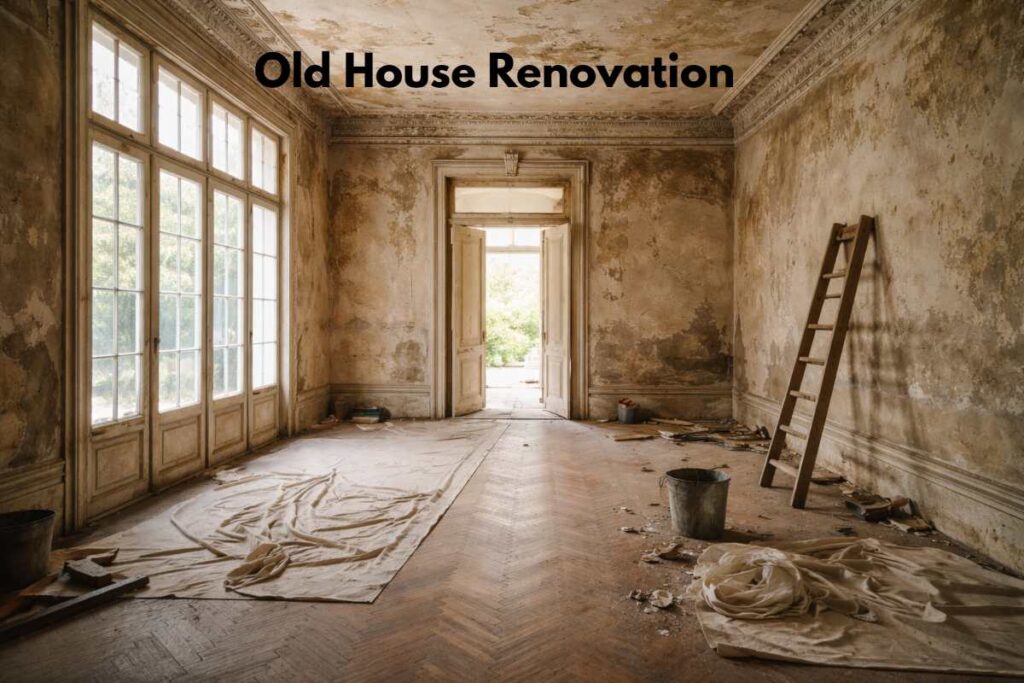
Old house renovation is the process of repairing, updating, and modernizing an older home while preserving its character. It typically involves structural repairs, system upgrades (electrical, plumbing, HVAC), and cosmetic improvements tackled in a specific order to avoid wasted cost.
Old-house renovation is one of the most rewarding and complex home improvement projects you can take on. Whether you are restoring a heritage property, updating a family home that has seen better days, or preparing an older building for resale, the right approach makes all the difference between a project that adds value and one that drains your budget. From structural repairs and system upgrades to finishing touches like flooring and paintwork, every step must occur in the right order. This guide walks you through exactly how to plan, prioritise, and budget for an old house renovation so you protect your investment from the very first decision.
Why Renovate an Old House?
Old houses come with problems, but they also come with character original hardwood floors, hand-carved trim, solid brick construction, and proportions that newer builds rarely replicate. Renovating an old house lets you combine that charm with modern comfort, efficiency, and safety.

From a financial standpoint, a well-renovated older home in an established neighborhood often holds its value better than a new build in a greenfield suburb. For real estate investors, renovating an old house can unlock significant equity provided the project is carefully managed.
The 5 Phases of Old House Renovation (In Order)
Order matters more than almost anything else in a renovation. Doing cosmetic work before fixing the structure or systems is the single most expensive mistake homeowners make. Here is the correct sequence:
Phase 1
Structural repairs
Foundation, load-bearing walls, roof framing, floor joists. Fix these first everything else depends on them.
Phase 2
Weatherproofing
Roof, gutters, windows, exterior waterproofing, and flashing. Stop water intrusion before touching interiors.
Phase 3
Systems upgrade
Electrical panel, wiring, plumbing pipes, and HVAC. Done before the walls are closed, while everything is accessible.
Phase 4
Insulation & drywall
Air-seal and insulate once systems are in. Then close up walls, ceilings, and repair or replace plaster.
Phase 5
Cosmetic finishes
Flooring, painting, kitchen and bathroom remodels, trim work, and fixtures. The visible transformation happens here.
Pro tip
Get a full home inspection and a structural engineer’s assessment before finalizing your renovation budget. Hidden problems found mid-project are always more expensive than those discovered upfront.
How Much Does Old House Renovation Cost?
Renovation costs vary enormously based on the home’s size, age, location, and condition. Here are typical ranges for common scopes of work:
| Scope of Work | Estimated Cost Range | Notes |
|---|---|---|
| Full electrical rewire | $8,000 – $20,000+ | Essential for homes with knob-and-tube or aluminum wiring |
| Plumbing replacement | $5,000 – $15,000 | Galvanized or lead pipes must be replaced |
| Roof replacement | $7,000 – $25,000+ | Depends on size and material |
| HVAC system | $6,000 – $18,000 | Includes ductwork if not already installed |
| Kitchen remodel | $15,000 – $60,000+ | Mid-range to high-end finishes |
| Bathroom remodel | $8,000 – $30,000 | Per bathroom |
| Foundation repair | $5,000 – $40,000+ | Highly variable depending on severity |
| Full gut renovation | $100,000 – $400,000+ | Depends on home size and finish level |
Budget reality check
Always add a 20–30% contingency buffer to your estimate. Old house renovations almost always uncover hidden issues: asbestos insulation, rotted subfloor, unpermitted additions once walls are opened.
Key System | Electrical, Plumbing & HVAC
These three systems are where old houses most commonly pose safety risks and where deferred maintenance creates the highest long-term costs. Here is what to look for in each:
Electrical
Homes built before the 1960s may have knob-and-tube wiring, which lacks a ground wire and can be a fire hazard especially if it has been modified by electric work over the years. Homes from the 1970s sometimes have aluminum wiring, which expands and contracts differently from copper and can cause loose connections. Both typically require a full rewire. At a minimum, the panel should be upgraded to support modern loads (100–200 amp service).
Plumbing
Galvanized steel pipes corrode from the inside out, reducing water pressure over time and eventually leading to leaks. Lead pipes common before the 1940s are a serious health risk and must be replaced. Cast-iron drain lines crack with age. When replumbing, modern homes typically use copper or PEX, both of which are durable and code-compliant.
HVAC
Many old houses were built without central heating and cooling. Adding HVAC to an older home involves not only the equipment but also ductwork, insulation upgrades, and, potentially, load calculations to size the system correctly. A poorly insulated old house will run any HVAC system inefficiently and address the building envelope first for maximum energy savings.

Top Tips to Save Money on Old House Renovation
Renovation budgets have a way of expanding. These strategies help keep costs under control without cutting corners on the things that matter most:
Prioritize by safety, not aesthetics. Fixing a leaking roof prevents tens of thousands of dollars in damage. Repainting a kitchen does not add structural value. Spend money where it protects your investment first.
Preserve original materials where possible. Refinishing original hardwood floors costs a fraction of replacing them. Restored period trim and mouldings add authentic character that cannot be cheaply replicated. Original double-hung windows can often be weatherstripped and repaired rather than replaced.
Get multiple quotes. For any project over $2,000, get at least three contractor quotes. Prices can vary by 30–50% for the same scope of work.
Pull permits. Unpermitted work may save money short-term, but it creates serious problems at resale and can void your homeowner’s insurance in the event of a claim.
Sequences work correctly. Doing electrical work and plumbing system before closing walls avoids the cost of re-opening finished surfaces later. Painting before floors are done avoids drop-cloth damage and touch-up work.
Hire specialists who know old houses. Not every contractor has experience with lime plaster, old-growth lumber, or historic masonry. Working with someone unfamiliar with older materials often results in damage that costs more to repair than the original job.
Common Old House Renovation Mistakes to Avoid
These are the errors that most consistently turn manageable projects into expensive problems:
Skipping the pre-renovation inspection. Buying a house or starting a renovation without a structural and systems inspection is the single highest-risk decision in the process.
Cosmetic work before structural work. New kitchen cabinets installed on a sagging subfloor will need to be removed when the floor is repaired. Always work from the outside in and from the structure outward.
Underestimating the contingency. A 10% contingency is not enough for an old house. Budget 20–30% for surprises. Every experienced contractor will tell you the same.
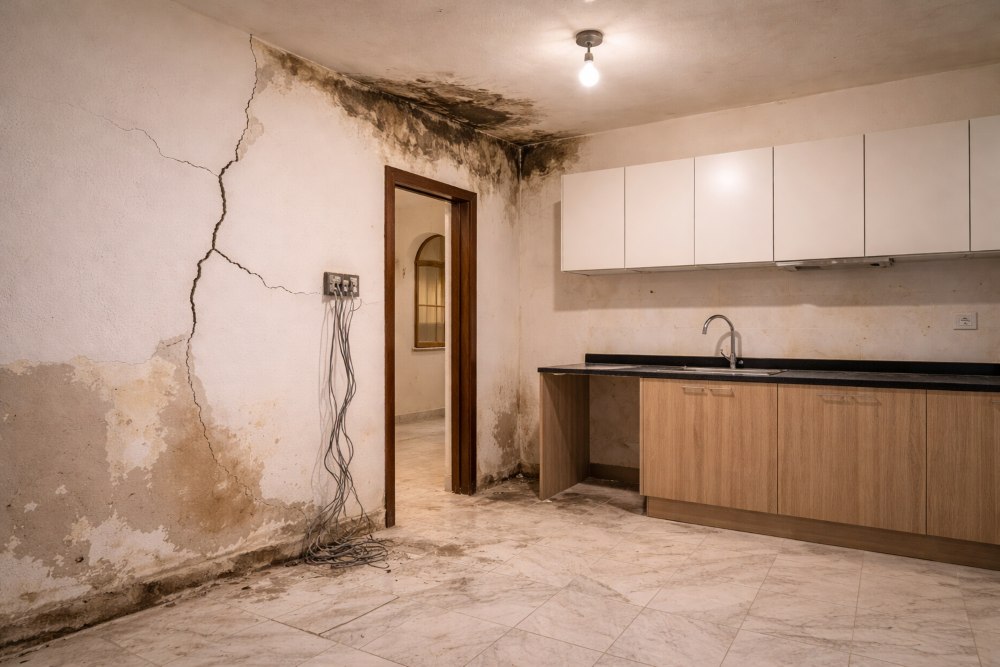
Ignoring moisture and ventilation. Old houses breathe differently from modern ones. Sealing them too tightly without adding mechanical ventilation traps moisture, leading to mold and rot problems. Work with someone who understands building science.
DIYing permit-required work. Electrical, and structural plumbing work almost always requires a permit and inspection. Unpermitted work creates liability, insurance issues, and resale complications.
Conclusion
Renovating an old house is never a small undertaking but with the right plan, the right sequence, and a realistic budget, it is one of the most rewarding investments you can make in a property. The key is always to work from the structure outward: fix what is hidden before you touch what is visible, upgrade your systems before you close your walls, and never skip the contingency buffer that every experienced contractor will tell you is non-negotiable. Whether you are tackling a full gut renovation or working room by room, the principles remain the same: prioritise safety, preserve original character wherever possible, and hire specialists who understand older buildings. Do that, and your old house will not just be restored. It will be transformed into a home built to last another generation.
Frequently Asked Questions (FAQs)
Is it worth renovating an old house?
Yes in most cases, especially in established neighborhoods where land values are strong. The key is knowing what you are getting into before you start. A thorough inspection and a realistic budget that includes contingency funding make old-house renovation a worthwhile investment for both homeowners and investors.
What should I renovate first in an old house?
Always start with structural integrity and weatherproofing foundation, roof, and exterior water management. Then move to systems: electrical, plumbing, and HVAC. Cosmetic work like kitchens, bathrooms, and flooring comes last. This sequence protects every dollar you spend.
How do I find out if my old house has asbestos or lead paint?
Homes built before 1978 may contain lead paint, and homes built before 1980 may contain asbestos in insulation, floor tiles, or pipe wrapping. Hire a certified inspector to test before beginning any renovation that involves disturbing these materials. Licensed professionals must do remediation.
How long does an old house renovation take?
A full renovation of an older home typically takes 6 to 18 months, depending on scope, contractor availability, permit timelines, and the number of surprises uncovered. Individual projects (a kitchen, a bathroom, a roof) can take 2 to 8 weeks each.
Should I gut an old house or renovate room by room?
If the systems (electrical, plumbing, HVAC) need full replacement, a gut renovation is usually more cost-effective because walls are already open. If systems are in good condition and you are updating cosmetics, room-by-room renovation is more manageable and lets you live in the house during the process.