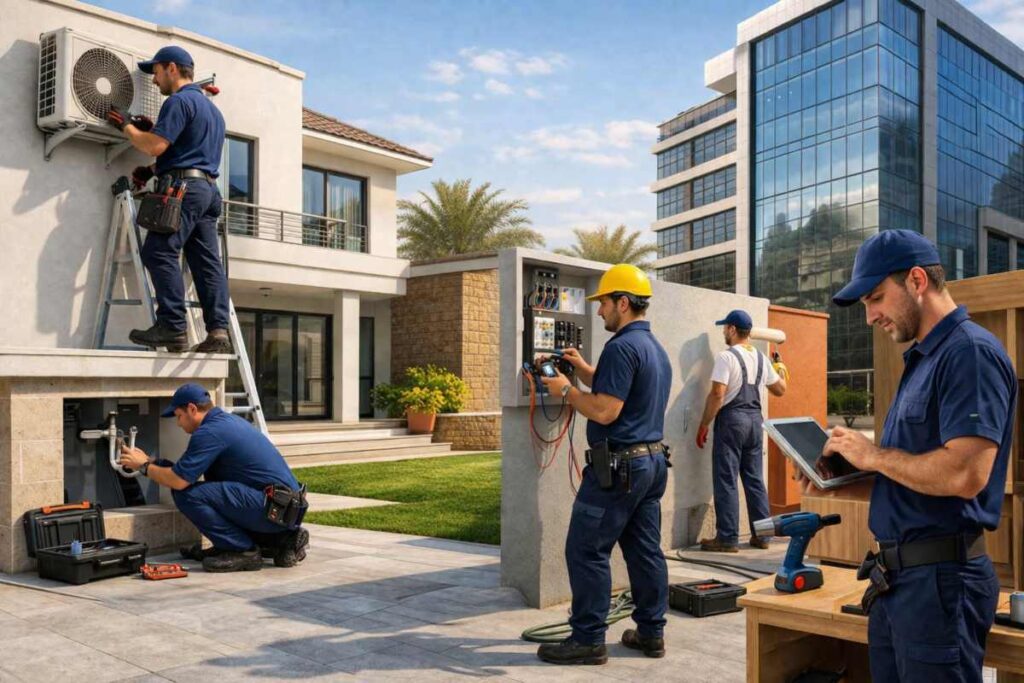
General building maintenance in 2026 is a structured, comprehensive system of care designed to keep properties safe, functional, energy-efficient, and visually appealing year-round. It covers every critical system and surface from AC and cooling to plumbing, electrical, carpentry, painting, and flooring.
Today, property maintenance is no longer a reactive task reserved for when something breaks. It is a strategic investment in your asset’s long-term value, occupant satisfaction, and operational efficiency. Property owners who adopt a proactive building maintenance approach consistently report fewer emergency repairs, longer system lifespans, and stronger returns on their investment.
Why Building Maintenance Matters More Than Ever in 2026
The property market has grown significantly more competitive. Tenants, both residential and commercial, now arrive with higher expectations: well-maintained spaces, rapid response to issues, and consistent quality throughout the lease period. Meanwhile, environmental factors such as intense heat, humidity, and dust continuously stress building systems, accelerating wear and tear on cooling units, plumbing work, and structural finishes.
Deferred maintenance is no longer a minor inconvenience; it is a direct threat to property value, tenant retention, and operational continuity. A proactive general building maintenance strategy addresses this by keeping every system performing at its best, year-round.
Preventive vs Reactive Maintenance: A Direct Comparison
Understanding the difference between preventive and reactive maintenance is essential before choosing your property maintenance strategy. The table below compares both approaches across seven critical factors.
Factor Preventive Maintenance Reactive Maintenance
| Aspect | Preventive Maintenance | Reactive Maintenance |
|---|---|---|
| Approach | Scheduled servicing before failure | Repairs after the breakdown occurs |
| Cost pattern | Fixed, predictable spend | Unpredictable, often high |
| System lifespan | Extended through regular care | Shortened by repeated stress |
| Downtime risk | Minimal, issues caught early | High, sudden failures disrupt operations |
| Tenant satisfaction | High, consistent performance | Low, disruptions affect occupants |
| Best suited for | Long-term property owners | Short-term or emergency fixes only |
| Overall verdict | Recommended for all property types | Use only when unavoidable |
Core Services Included in General Building Maintenance
A complete property maintenance plan addresses every system and surface that determines how a building performs and presents itself. The table below provides a clear overview of the key maintenance services, what each covers, and which property types benefit most.
Building maintenance services: scope, suitability, and recommended frequency
What It Covers Suitable For Recommended Frequency
| Service | What It Covers | Suitable For | Recommended Frequency |
|---|---|---|---|
| AC Cooling | Installation, servicing, filter cleaning, refrigerant checks | Residential & Commercial | Quarterly / Biannual |
| Plumbing | Leak detection, drainage, pipe repair, fixture servicing | All property types | Biannual / On-demand |
| Electrical | Wiring inspections, switchboard, lighting upgrades | Residential & Commercial | Annual / Biannual |
| Carpentry | Doors, cabinets, joinery, custom fittings | Homes, offices, villas | As needed / Annual |
| Painting | Interior & exterior finishing, surface protection | All property types | Every 3–5 years |
| Tiles & Flooring | Installation, repair, grouting, polishing | All property types | As needed / Biannual |
AC Services and Cooling System Maintenance
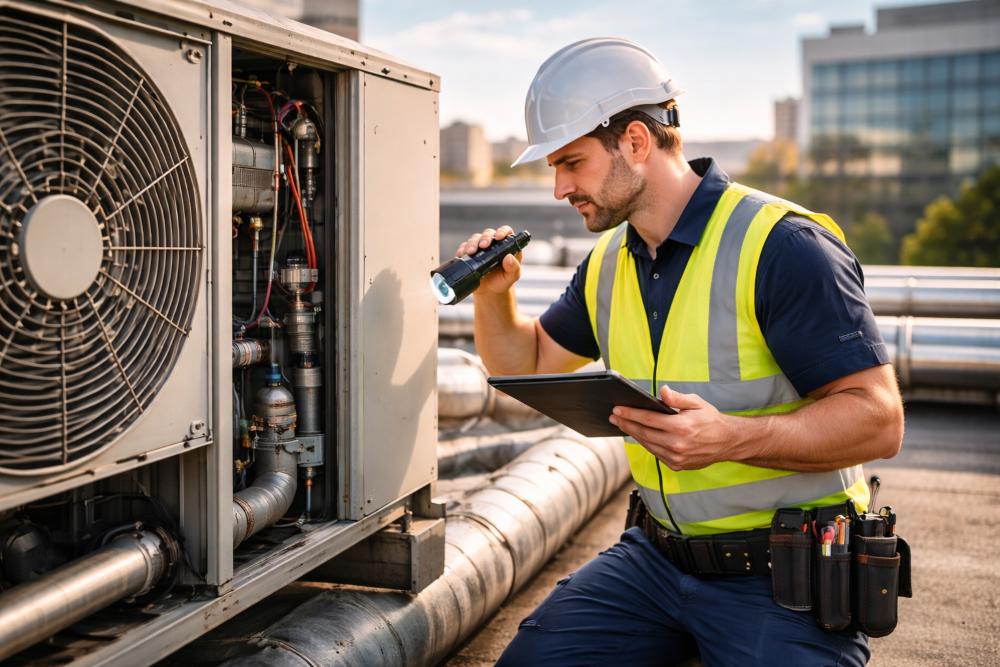
Cooling systems are among the most heavily used and most costly to repair assets in any building. Regular AC servicing ensures optimal energy efficiency, prevents unexpected breakdowns during peak seasons, and significantly extends the operational life of your units. Routine tasks include filter cleaning, coil inspection, refrigerant top-up, and thermostat calibration. Properties with properly maintained cooling systems consume measurably less energy and experience far fewer emergency callouts.
Plumbing Maintenance for Residential and Commercial Properties
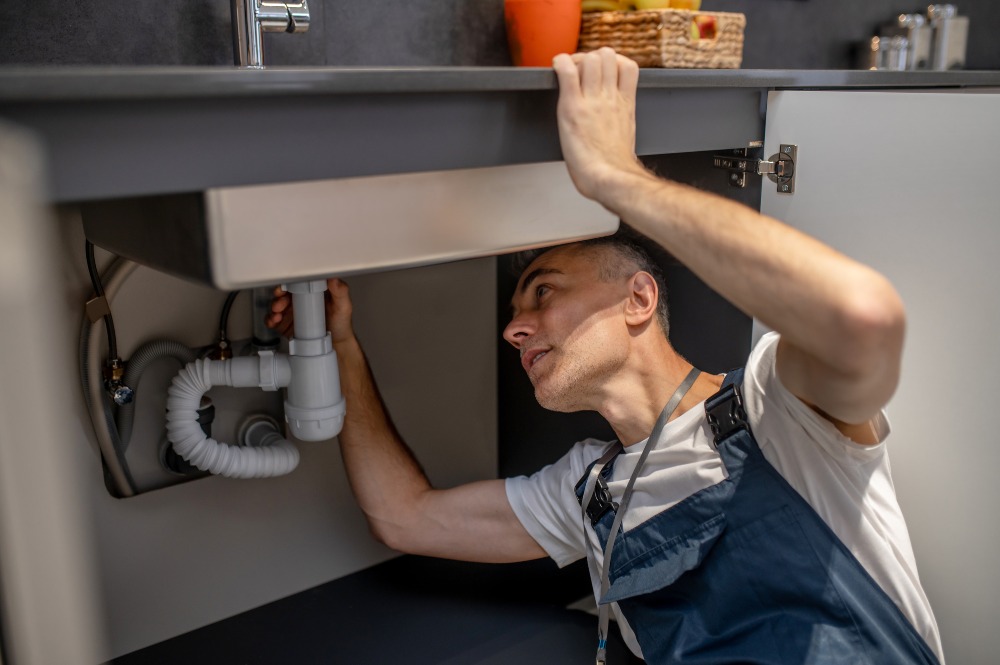
Undetected plumbing issues, such as slow leaks, pipe corrosion, and blocked drainage, can cause severe structural damage over time. Regular plumbing inspections identify problems early, before they escalate into costly repairs or occupant disruptions. Services include leak detection, pipe replacements, drainage clearing, fixture servicing, and water pressure assessments. Whether managing a villa, apartment complex, or commercial facility, routine plumbing maintenance is a non-negotiable part of responsible property care.
Electrical Maintenance and Safety Inspections
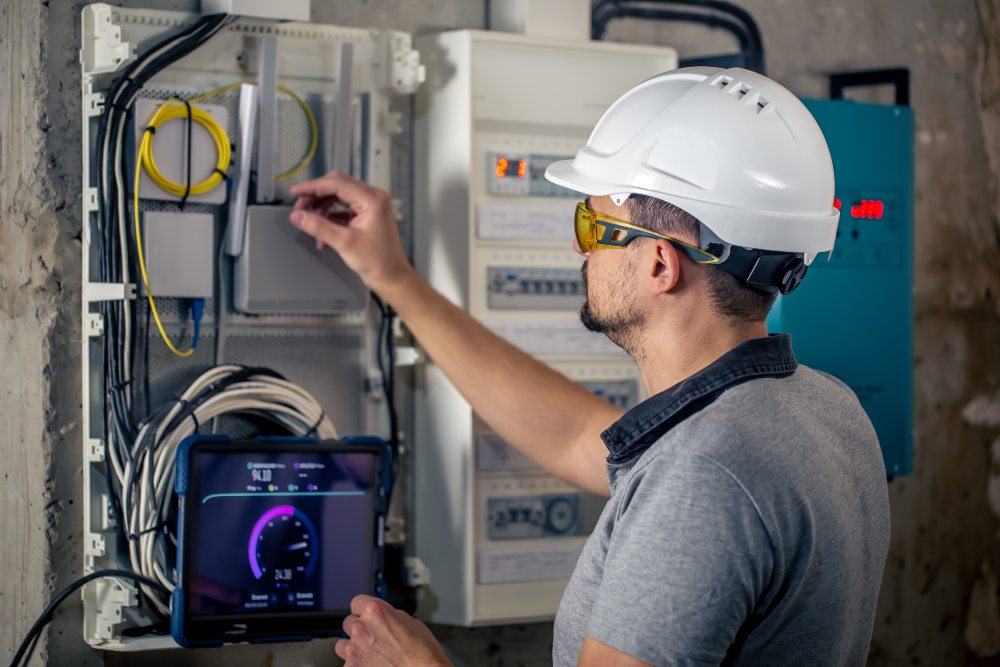
Modern buildings depend on complex electrical systems to power lighting, HVAC, communications, and security. Poorly maintained electrical infrastructure is both a safety hazard and a source of significant energy waste. Scheduled inspections identify outdated wiring, overloaded circuits, and faulty components before they become dangerous or non-compliant. Services include wiring assessments, switchboard servicing, circuit load testing, lighting upgrades, and safety compliance checks.
Carpentry, Joinery, and Interior Finishing
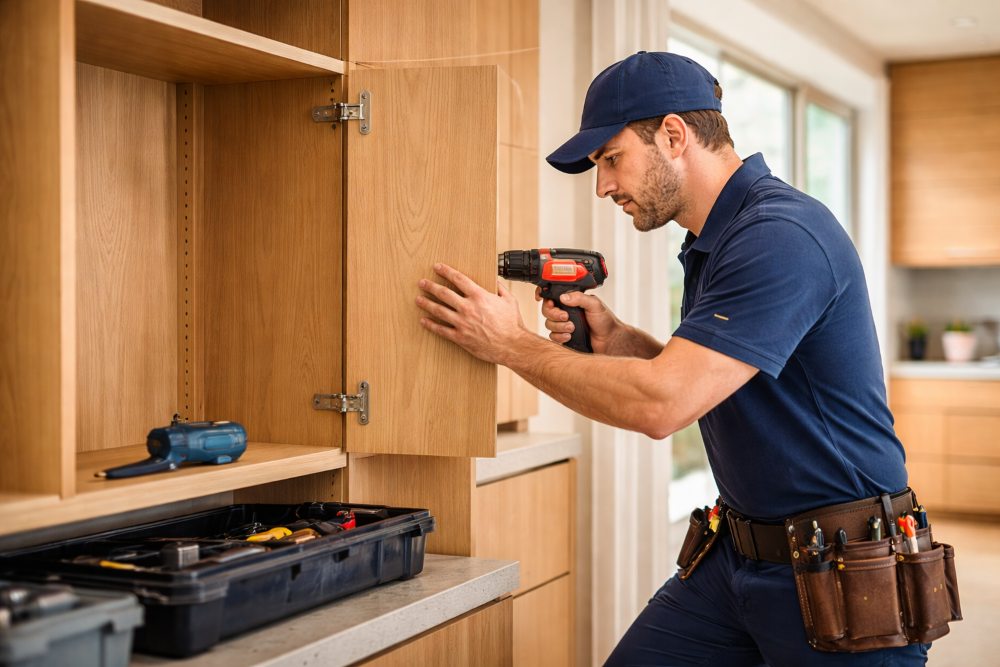
Carpentry directly affects both the functionality and the visual quality of a space. Doors that seal correctly, cabinetry that operates smoothly, and fitted furniture that holds its finish all contribute to tenant satisfaction and property value. Regular carpentry maintenance ensures structural integrity, prevents moisture ingress through gaps and warped frames, and keeps interiors looking professional and well cared for.
Painting and Surface Protection
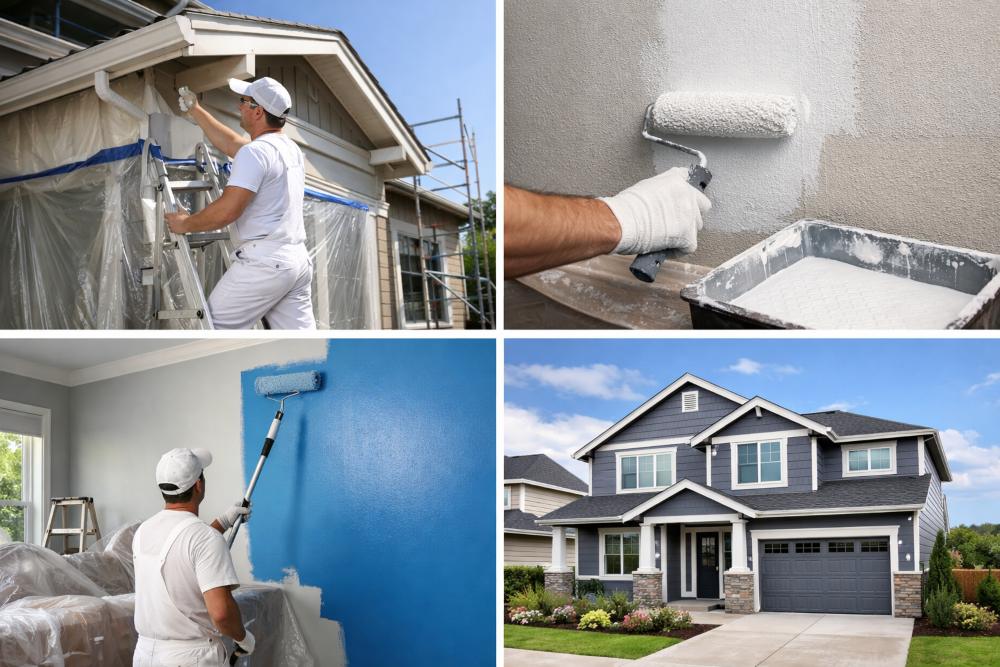
Repainting is one of the most cost-effective property maintenance investments available. Fresh paint seals surfaces against moisture, UV damage, and daily wear while dramatically improving how a property presents to tenants, buyers, or visitors. Interior and exterior painting services cover surface preparation, priming, application, and finishing. A regular repaint cycle, typically every three to five years, prevents surface degradation and maintains tenant confidence in the property.
Tiles and Flooring Installation and Repair
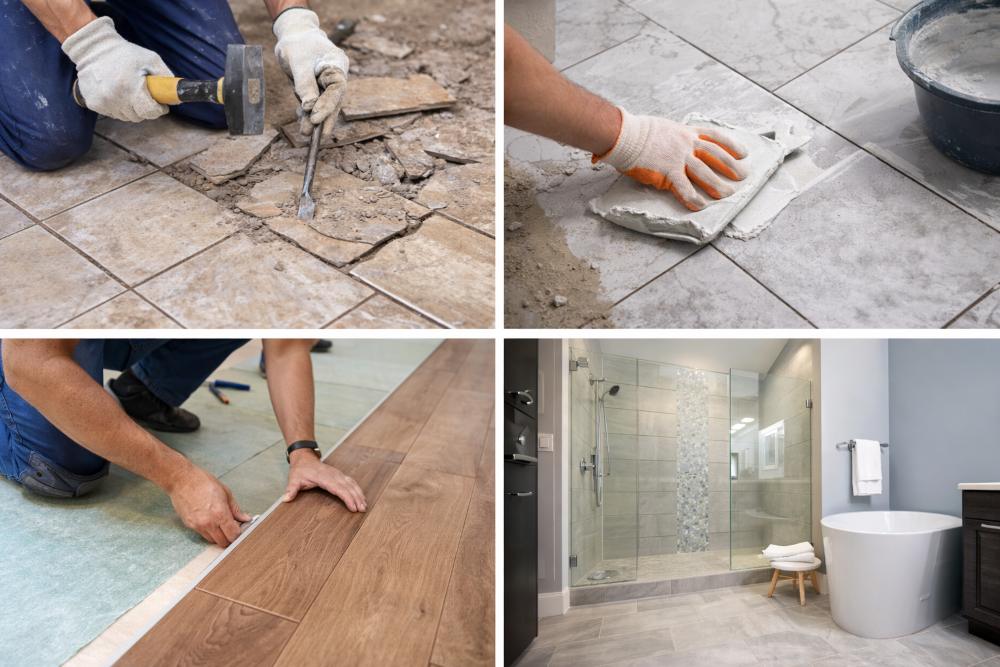
Flooring creates the first impression in any room and contributes directly to safety and occupant experience. Damaged tiles, uneven surfaces, or worn finishes affect both aesthetics and liability. Flooring services include tile replacement, grout repair, surface polishing, leveling, and waterproofing. Choosing appropriate materials and maintaining them correctly adds years to any floor surface while significantly improving overall property presentation.
Residential vs Commercial Maintenance: Key Differences
While residential and commercial properties share many core services, they differ significantly in scale, complexity, regulatory requirements, and maintenance frequency. The comparison below highlights the key distinctions.
Residential vs commercial maintenance: scope and requirements
| Aspect | Residential | Commercial |
|---|---|---|
| AC Systems | Split units, smaller capacity | Central HVAC, large-scale systems |
| Plumbing | Kitchens, bathrooms, standard fittings | Industrial pipelines, large networks |
| Electrical | Basic household circuits | High-load, complex, compliance-critical |
| Maintenance Frequency | Biannual for most systems | Quarterly or managed monthly plans |
| Management Approach | Occasional, as-needed servicing | Structured, facility-managed programs |
| Compliance Requirements | Standard residential standards | Regulatory and safety certifications |
What Is Facility Management and Why Does It Matter?
Facility management is a structured, end-to-end approach to building care that goes beyond individual repair tasks. It establishes scheduled maintenance cycles, performance-monitoring systems, and vendor coordination across all building assets. Rather than responding to failures as they occur, facility management prevents them.
For commercial property owners, facilities managers, and those managing multiple residential units, this approach delivers measurable improvements in operational uptime, cost control, and tenant satisfaction. It also ensures that maintenance records are accurate, compliance requirements are met, and no system is overlooked.
Annual Maintenance Contract (AMC): Benefits and Value
An annual maintenance contract provides property owners with a fixed-cost, structured solution for all ongoing building care needs. Rather than absorbing unpredictable repair costs throughout the year, an AMC bundles scheduled servicing, routine inspections, and priority emergency response into a single agreed annual fee.
With AMC vs without AMC: full property maintenance comparison
| Feature | Without AMC | With AMC |
|---|---|---|
| Cost structure | Unpredictable, reactive spend | Fixed annual fee, fully budgetable |
| Emergency response | Standard queue, variable timing | Priority response, faster resolution |
| Maintenance schedule | Ad hoc, easy to defer | Planned and tracked throughout the year |
| System lifespan | Shorter due to inconsistent care | Extended through regular servicing |
| Documentation | Inconsistent or absent | Full service records maintained |
| Total cost over 12 months | Typically higher due to emergency rates | Lower total spend in most cases |
AMC Cost vs Long-Term Value
The upfront cost of an annual maintenance contract is frequently perceived as a premium compared to individual callout fees. In practice, reactive repairs, particularly for cooling, plumbing, and electrical systems, carry high emergency labor rates and risk collateral damage that significantly compounds total repair costs. AMC pricing consolidates all routine servicing and priority callouts into a predictable annual fee. Over 12 months, AMC-maintained properties consistently demonstrate lower total maintenance spend, better asset performance, and fewer disruptive failures.
How to Choose the Right Maintenance Strategy for Your Property
The right building maintenance approach depends on your property type, occupancy level, budget structure, and long-term ownership goals. For long-term investors and owner-occupiers, a preventive, AMC-backed strategy delivers the strongest returns. For transitional or short-let properties, a hybrid of scheduled checks and on-demand support may be more appropriate.
Regardless of your situation, partnering with a qualified, full-service building maintenance provider simplifies coordination, ensures quality consistency across all trades, and gives you a single accountable point of contact for every maintenance need.
Conclusion
In 2026, general building maintenance is not an overhead; it is a strategic investment in your property’s performance, safety, and long-term value. A well-maintained building attracts stronger tenants, commands better rental yields, meets compliance requirements, and avoids the costly disruptions that come with deferred upkeep. Whether you manage a single villa or a portfolio of commercial spaces, a structured, professionally delivered maintenance program is the most reliable way to protect your asset and maximize returns. Begin with a thorough maintenance audit, engage a qualified full-service provider, and consider an annual maintenance contract to lock in consistent care at a predictable cost. The investment made today directly determines the value you protect tomorrow.
Frequently Asked Questions (FAQs)
What does general building maintenance include?
General building maintenance includes all systems and finishes that keep a property functional, safe, and visually appealing. This covers cooling systems, plumbing, electrical installations, carpentry work, painting, tiling, and flooring. A complete maintenance plan ensures both technical performance and overall appearance across residential and commercial properties.
How often should building maintenance be carried out?
Building maintenance should be performed regularly based on system usage and environmental conditions. Most properties benefit from twice-yearly service, typically before and after peak seasons. High-demand systems, such as HVAC or commercial infrastructure, often require quarterly inspections to ensure optimal performance.
Is preventive maintenance better than reactive maintenance?
Yes, preventive maintenance is more effective and cost-efficient. It reduces the risk of unexpected failures, minimizes restoration costs, and extends the lifespan of building systems. Properties that are maintained proactively experience fewer disruptions and maintain better long-term value.
What is an annual maintenance contract (AMC)?
An annual maintenance contract is a fixed yearly agreement that includes scheduled servicing, routine inspections, and priority support for urgent issues. It helps property owners manage costs, ensures consistent upkeep, and provides faster response times compared to one-time service requests.
Can one maintenance provider handle all services?
Yes, a professional full-service provider can manage all aspects of building maintenance. This includes cooling systems, plumbing, electrical work, carpentry, painting, and flooring. Using one provider improves coordination, maintains consistent quality, and ensures clear accountability.
What is the difference between facility management and standard maintenance?
Standard maintenance focuses on individual repairs or service requests. Facility management is a structured and ongoing process that includes scheduled maintenance, performance monitoring, compliance checks, and detailed reporting. It is ideal for larger properties and commercial buildings.