
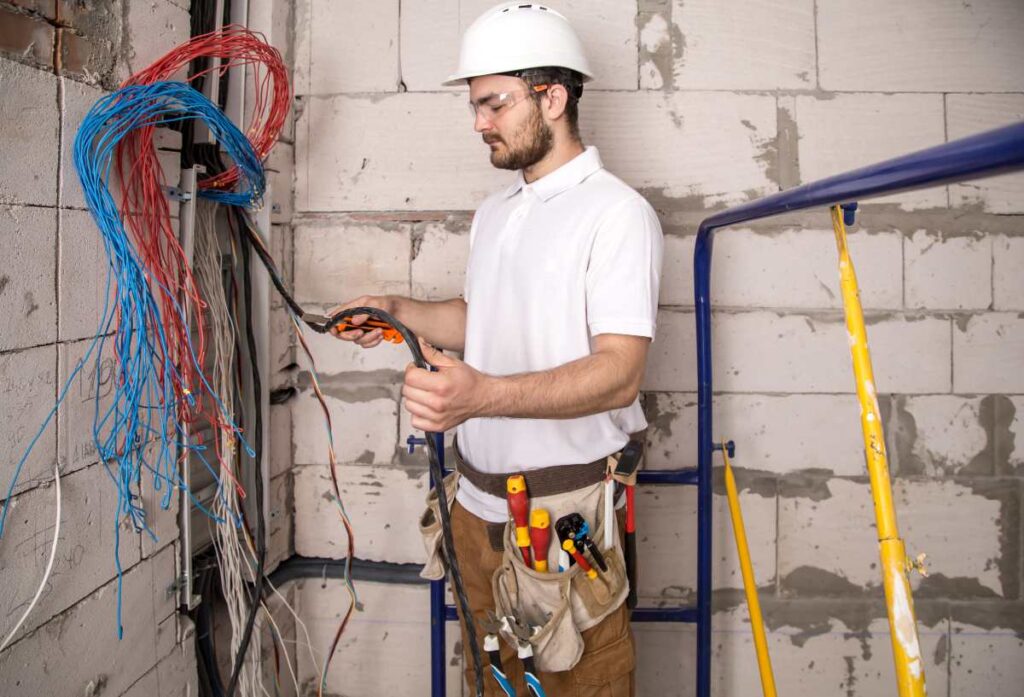
Electrical work is something most property owners think about only when a problem arises. A socket stops working, lights start flickering, or a breaker trips without warning. At that moment, the first question is always the same: how much will this cost?
In the UAE, electrical pricing is not always straightforward. Rates vary by type of work, time of day, and even the emirate you are in. A simple repair can be quick and affordable, while larger jobs like rewiring or upgrading a distribution board require proper planning and a higher budget.
Electrical work costs in the UAE in a clear, practical way. It covers real price ranges, common services, and the factors that affect cost. By the end, you will understand what you are paying for, how to compare quotes, and how to avoid unnecessary expenses without compromising safety.
What Is the Cost of Electrical Work in the UAE?
Electrical work in the UAE typically costs AED 120 to AED 300 per hour for standard services, while advanced or emergency work ranges from AED 300 to AED 800 per hour. Small jobs such as socket replacement cost AED 150 to AED 350, and full property rewiring can exceed AED 15,000.
The total cost depends on the type of work, the technician’s skill level, the property’s size, and the time of service. Prices are generally lower in Ras Al Khaimah compared to Dubai, but regulatory standards remain the same.
Understanding these cost ranges allows property owners to plan maintenance budgets and avoid unexpected expenses.
Electrical Work Hourly Rates in the UAE
Electrical services in the UAE are primarily charged by the hour. Hourly rates vary by emirate and the required expertise.
Standard electricians handling basic repairs typically charge between AED 120 and AED 250 per hour in Ras Al Khaimah and Sharjah. In Dubai and Abu Dhabi, the same service costs between AED 150 and AED 300 per hour.
Licensed or certified electricians, especially those working on distribution boards or compliance-related tasks, charge higher rates.
Hourly Rate Comparison (2026)
| Service Type | Dubai / Abu Dhabi (AED) | Ras Al Khaimah (AED) | Notes |
|---|---|---|---|
| Standard electrician | 150–300 | 120–250 | Basic repairs |
| Licensed technician | 200–500 | 180–400 | DB and compliance work |
| Emergency service | 300–600 | 250–500 | After-hours surcharge |
| Inspection | 100–250 | 100–200 | Often deductible |
Emergency and weekend work adds a surcharge of 25 to 60 percent. This means a job that costs AED 300 during the day may cost AED 450 or more at night.
What Affects Electrical Work Cost in UAE?
Electrical pricing in the UAE is not fixed. Several factors influence the final cost.
The type of work has the biggest impact. Small repairs are quick and affordable, while full installations or upgrades require more labour and materials. Property size also matters. A villa requires more wiring and time compared to an apartment.
Load capacity is another important factor. Installing systems such as EV chargers or air conditioning units increases electrical demand and requires additional upgrades.
Time of service also affects pricing. Emergency jobs are always more expensive due to immediate response requirements.
Material quality also plays a role. Higher-grade components last longer and improve safety, but they increase upfront costs.
Call-Out Fees and Hidden Charges
A call-out fee is a standard part of electrical service pricing in the UAE. It usually ranges from AED 100 to AED 250 and covers travel and the initial inspection.
This fee often includes the first 30 to 60 minutes of work. After this period, hourly charges apply.
Many property owners misunderstand this structure and assume the call-out fee covers the full job. This leads to confusion when the final invoice is higher than expected.
Emergency work introduces additional charges. Evening, weekend, and holiday services increase the base rate by 25-60%.
Clear communication before the job starts is essential. Always confirm whether the call-out fee is included in the total cost and request a written estimate.
Electrical Work Cost by Task in the UAE
Electrical work costs vary depending on the specific task. Simple jobs are affordable, while complex installations require a higher budget.
Common Electrical Job Costs (UAE 2026)
| Task | Cost Range (AED) | Details |
|---|---|---|
| Socket replacement | 150–350 | Includes labour and unit |
| Light installation | 200–500 | Fixtures are usually separate |
| Circuit breaker | 300–700 | Includes basic materials |
| RCD / RCBO install | 400–900 | Safety upgrade |
| DB inspection | 300–600 | Full check and report |
| DB upgrade | 2,000–6,000 | Major electrical work |
| Partial rewiring | 800–3,000 | Limited area |
| Full rewiring | 5,000–15,000+ | Complete system |
| EV charger install | 1,500–4,000 | Includes wiring |
| Solar connection | 2,000–6,000 | Grid integration |
These prices exclude VAT and may increase based on complexity.
Electrical Work Cost: UAE vs Ras Al Khaimah
Electrical work in Ras Al Khaimah is generally 15 to 20 percent cheaper than in Dubai. This difference comes from lower labour costs and reduced operational expenses.
UAE vs RAK Cost Comparison
| Service | UAE Average (AED) | Ras Al Khaimah (AED) |
|---|---|---|
| Hourly rate | 150–300 | 120–250 |
| DB upgrade | 3,000–7,000 | 2,000–6,000 |
| Full rewiring | 6,000–18,000 | 5,000–15,000 |
| EV installation | 2,000–5,000 | 1,500–4,000 |
Despite the lower cost, regulatory standards remain strict across all emirates. This ensures safety and quality are consistent.
Residential vs Commercial Electrical Costs
Electrical work costs in the UAE vary significantly from residential vs commercial properties, driven by differences in system complexity and power demand. Residential properties usually operate on single-phase systems with straightforward wiring layouts, which keeps installation and maintenance costs lower.
In contrast, commercial properties require more advanced electrical infrastructure. These systems often include three-phase power, higher load capacity, and integrated safety features such as emergency lighting and control systems. As a result, commercial electrical work is more complex, takes longer to complete, and generally costs more than residential services.
For a complete breakdown of pricing across different services, you can explore our detailed electrical cost guide on the site.
Key Differences
| Factor | Residential | Commercial |
|---|---|---|
| Power system | Single-phase | Three-phase |
| Complexity | Low | High |
| Cost | Lower | Higher |
| Compliance | Standard | Strict |
Commercial electrical work also requires more documentation and inspections, which increases overall cost.
New Electrical Services in UAE (2026)
Modern electrical needs are changing in the UAE. New technologies are increasing the demand for specialized services.
Electric vehicle charger installation is becoming common. The cost ranges from AED 1,500 to AED 4,000 depending on the setup.
Solar energy systems are also growing. Electrical connection for solar panels costs between AED 2,000 and AED 6,000.
Smart home wiring is another rising trend. A standard setup costs between AED 3,000 and AED 12,000.
These services require proper planning. Installing them during renovation is more cost-effective than retrofitting later.
Electrical Regulations in the UAE
Electrical work in the UAE must follow strict regulatory standards.
Each emirate has its own authority responsible for electrical approvals. These include EtihadWE in the Northern Emirates and DEWA in Dubai.
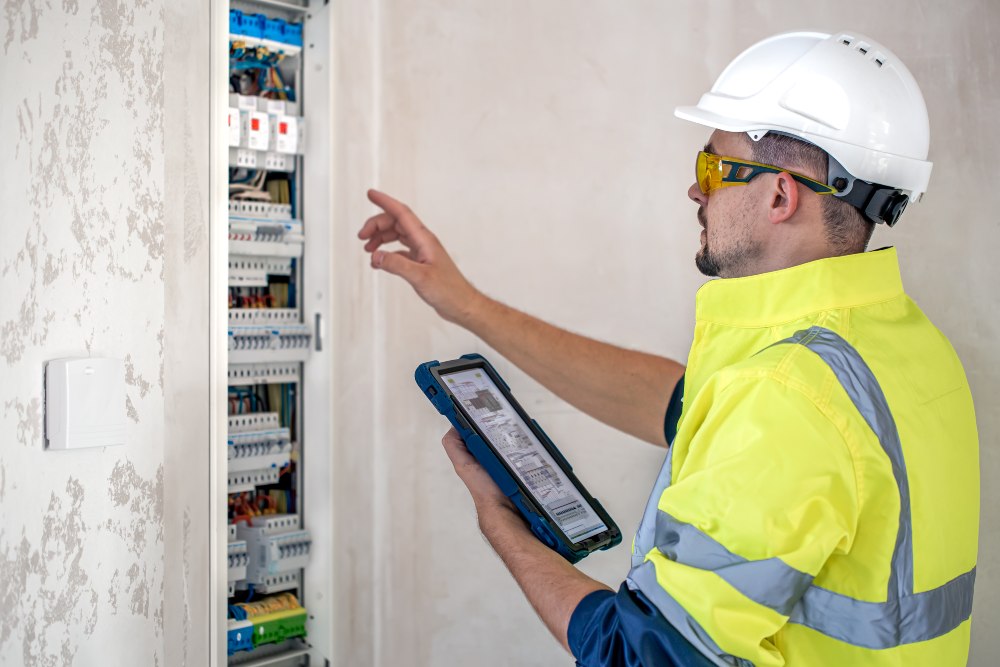
Approval is required for major work such as rewiring, distribution board upgrades, and load changes.
Failure to follow regulations can lead to fines, safety risks, and insurance issues. Proper documentation is essential for compliance.
Who Pays for Electrical Work in Rental Properties?
Responsibility for electrical work depends on the type of issue.
Landlords are responsible for permanent infrastructure such as wiring and distribution boards. Tenants are responsible for minor repairs and damage caused by misuse.
Clear agreements between landlord and tenant help avoid disputes. Regular inspections also provide a clear record of property conditions.
How to Choose a Licensed Electrician in the UAE
Choosing a qualified electrician ensures safety and long-term reliability.
A professional electrician should have a valid license and provide written quotes before starting work. They should also offer a warranty and issue a VAT-compliant invoice.
Avoid hiring electricians who refuse to provide documentation or offer extremely low prices. These are common signs of poor-quality work.
How to Reduce Electrical Work Costs
Reducing electrical costs requires planning and smart decision-making.
Schedule non-urgent work during daytime hours to avoid surcharges. Combine multiple tasks into one visit to reduce call-out fees.
Comparing quotes from different contractors helps identify fair pricing. Using standard materials instead of premium options can also reduce costs without affecting safety.
Annual maintenance contracts are another effective way to manage long-term expenses.

Common Mistakes to Avoid
Many property owners make mistakes that increase electrical costs.
Hiring unlicensed electricians is one of the most common issues. This often leads to poor artistry and safety risks.
Ignoring minor problems can result in major repairs later. Skipping inspections also increases long-term costs.
Choosing the cheapest option without checking quality often results in higher costs later.
Key Principles of Electrical Work in the UAE
Electrical work follows a few simple principles that remain constant.
Safety should always come first. Using certified components and licensed professionals reduces risk.
Proper documentation is essential for legal protection and compliance. Preventive maintenance is always more cost-effective than emergency repairs.Working with a single service provider for multiple services improves coordination and reduces overall costs.
Conclusion
Understanding pricing structures helps property owners plan effectively and avoid unnecessary costs. Choosing licensed professionals ensures safety, compliance, and long-term reliability.
Proper planning, regular maintenance, and informed decisions make electrical work more affordable and efficient.
Electrical work cost in UAE depend on clear, predictable factors. These include the type of work, property size, location, and timing.
Frequently Asked Questions (FAQs)
How much does electrical work cost in the UAE?
Electrical work costs AED 120-300 per hour for standard services and up to AED 800 for advanced or emergency work.
Is electrical work cheaper in Ras Al Khaimah?
Yes. Electrical services in Ras Al Khaimah are typically 15-20% cheaper than in Dubai.
What is a call-out fee?
A call-out fee ranges from AED 100 to AED 250 and covers travel and the initial inspection.
Do I need approval for electrical work?
Yes. Major work requires approval from authorities such as EtihadWE or DEWA.
How much does emergency electrical work cost?
Emergency services cost AED 250-600 per hour, depending on timing and complexity.