The Importance of Professional Plumbing Services
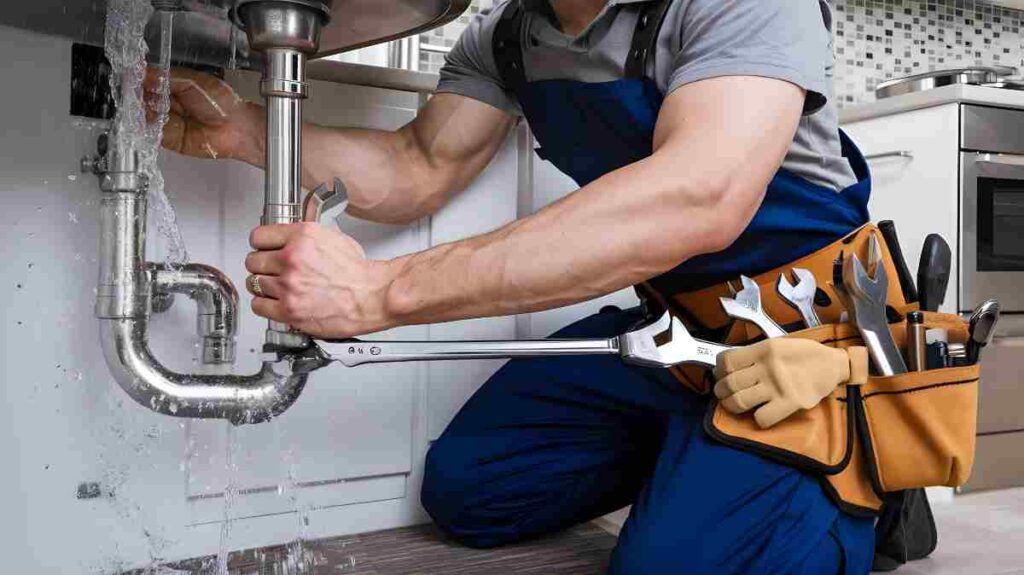
Professional plumbing services encompass a wide range of issues, from emergency repairs to routine maintenance. Hiring a qualified plumber ensures that your system is installed, repaired, or upgraded in accordance with local codes. This provides peace of mind and protects your home’s value.
Types of Plumbing Services
A closer look at the range of services offered by professional plumbers can help you identify what you need, especially in urgent situations. Here are some standard plumbing services
Emergency Plumbing Services
Crises such as burst pipes, severe leaks, or flooding require immediate attention. Plumbing emergencies must be handled quickly. If left unresolved, they can lead to mold, water damage, or structural issues. Most reputable companies offer 24/7 emergency services to stop these problems from growing.
Leak Detection and Repair
Leaks, whether visible or hidden, can waste significant water and increase utility bills. Plumbers utilize advanced tools, such as moisture meters and thermal imaging devices, to locate leaks. After finding the leak, they replace or repair pipes to prevent further damage.
Drain Cleaning Services
Clogged drains often happen in kitchens, bathrooms, and laundry rooms. Soap, hair, grease, and debris build up in pipes, causing slow or blocked drains. Professional drain cleaning services use hydro-jetting or snaking to clear obstructions and restore water flow.
Water Heater Installation and Repair
Water heaters are essential for daily tasks such as showering and washing dishes. If your heater fails, a plumber can diagnose and repair it. If repairs are not feasible, they can help you choose and install a new water heater that meets your needs.
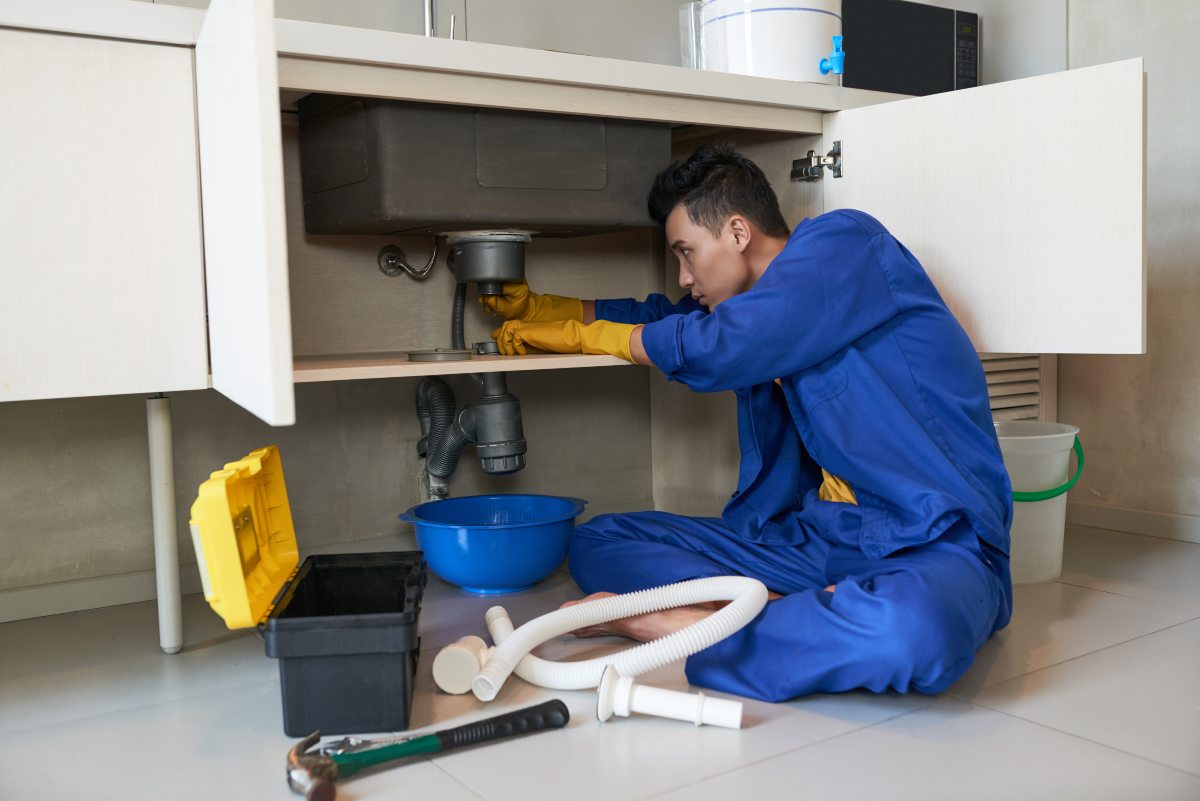
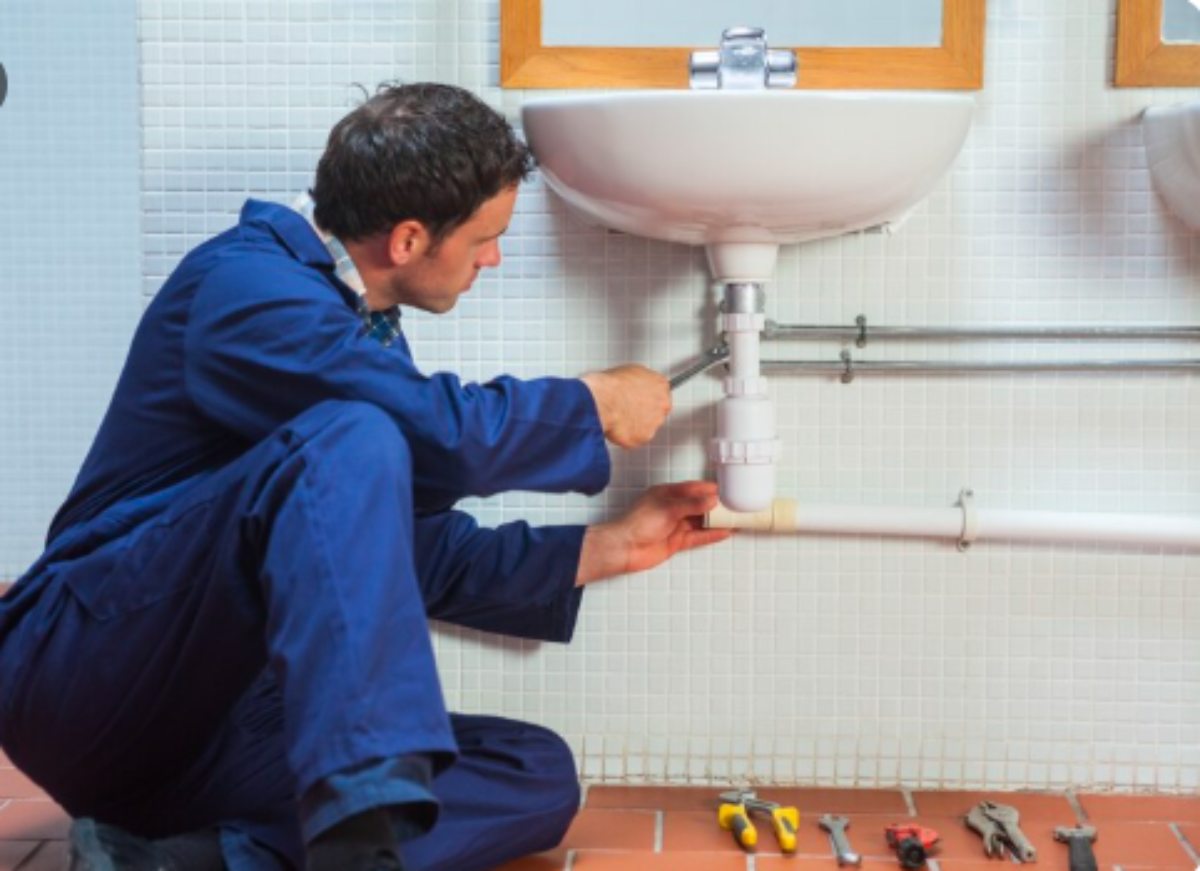
A plumber carefully inspects plumbing under the sink to see and address any leaks or potential issues, ensuring the system runs smoothly.
Comprehensive Plumbing Services: Repair, Replacement & Maintenance
A well-functioning plumbing system is crucial for both homes and businesses. If ignored, issues such as old pipes and faulty fixtures can lead to damage, poor water quality, and costly repairs. Here are key services and tips for choosing a provider.
Pipe Repair and Replacement
Old or damaged pipes cause leaks, low water pressure, and contamination. Plumbers check your pipes and suggest repair or replacement. Using modern materials like PEX or copper can boost water flow and quality, keeping your system efficient for years.
Toilet Repair and Installation
Toilets are vital for any home. Leaks, clogs, or poor flushing are inconvenient. Plumbers quickly fix problems like worn seals, faulty flushing, or cracked bowls. Want to upgrade? They can install modern, water-saving toilets and help reduce your water use and bills.
Sewer Line Repair and Replacement
Sewer line problems can disrupt your home, causing slow drains, foul odors, and backups. Plumbers use cameras to inspect lines and spot issues. Many offer trenchless repairs, which avoid digging up your yard and make fixes quicker and cleaner.
Fixture Installation and Replacement
Remodeling or replacing old fixtures? Plumbers can properly install sinks, faucets, showers, and tubs. A sound installation prevents leaks and maintains proper pressure. Plumbers can also recommend energy-efficient fixtures for your space.
How to Choose the Right Plumbing Service Provider
With many options available, finding a reliable plumber requires some research. Here’s what to look for:
1. Check Credentials and Licensing
Always hire a licensed, insured plumber. A license indicates that the plumber has received training and is in compliance with local codes. Insurance covers you from liability in the event of accidents or property damage.
2. Evaluate Experience and Specializations
Plumbing covers many services. Make sure your plumber has experience with the job you need. For example: water heater installation, sewer line repair, or bathroom remodels.
3. Read Reviews and Ask for Referrals
Customer reviews on Google or Trustpilot, as well as advice from friends or family, reveal a great deal about a plumber. Look for patterns in their punctuality, reputation, and work quality. Notice repeated praise or complaints.
4. Get Multiple Quotes and Written Estimates
Compare rates from several plumbers. Always request written, itemized estimates before work begins. This avoids hidden fees and helps you get the best value for your money.
5. Consider Availability and Emergency Services
Plumbing problems can happen anytime. Select a provider that shows 24/7 emergency service and a fast response, particularly for burst pipes or sewage issues.
The Importance of Preventive Plumbing Maintenance
Routine maintenance helps your plumbing last longer, lowers bills, and prevents breakdowns. Many companies offer plans that cover inspections, cleaning, and minor repairs. Preventive maintenance benefits include:
- Early detection of leaks or corrosion
- Improved system efficiency
- Reduced risk of costly emergency repairs
- Prolonged lifespan of fixtures and appliances
Stay ahead of plumbing problems to protect your home and avoid unexpected costs.
Conclusion
Good plumbing services keep your home safe and functional. Qualified plumbers handle everything from routine maintenance to emergency repairs. Know which services are available, and use the tips above to choose a reliable provider for dependable, safe, and efficient plumbing.
Frequently Asked Questions (FAQs)
When should I call a plumber?
Call a plumber if you notice leaks, clogs, low water pressure, or strange pipe noises.
What makes a plumbing service reliable?
Look for licensed, insured plumbers with good reviews, fair pricing, and emergency support.
Can I fix plumbing issues myself?
Minor fixes are okay, but significant problems should be handled by professionals to avoid damage.
problems should be handled by professionals to avoid damage.